Seven Months Old

His name was Sam Fahd Abu Haikal. He was seven months old. His family lives in Bethlehem and was driving to visit relatives in Hebron — a trip tens of thousands of Palestinian families make every week. They were not armed. They were not suspects. They had done nothing.
Near Checkpoint 17, in the Tel Rumeida neighborhood south of Hebron, they saw Israeli military vehicles and soldiers in the distance. According to Sam’s grandmother, the family stopped the car. They thought the shots that followed were warning shots. They were not.
“One bullet struck my grandson, traversed his face and crossed his head, striking his mother’s cheek where it lodged,” she told Reuters. The bullet also grazed the father’s finger. The mother was hospitalized. Sam was killed at the scene.
The Israeli military’s account: soldiers “perceived a vehicle accelerating toward them” and fired single shots. Their initial inquiry found those who were hit were “uninvolved civilians.” The army says it expresses “deep sorrow for any harm caused to uninvolved individuals.”
That phrase — “uninvolved civilians” — is doing a lot of work in that sentence. It is the military acknowledging, in its own sanitized language, that it just shot a baby.
Tel Rumeida: The Context the Wire Services Buried
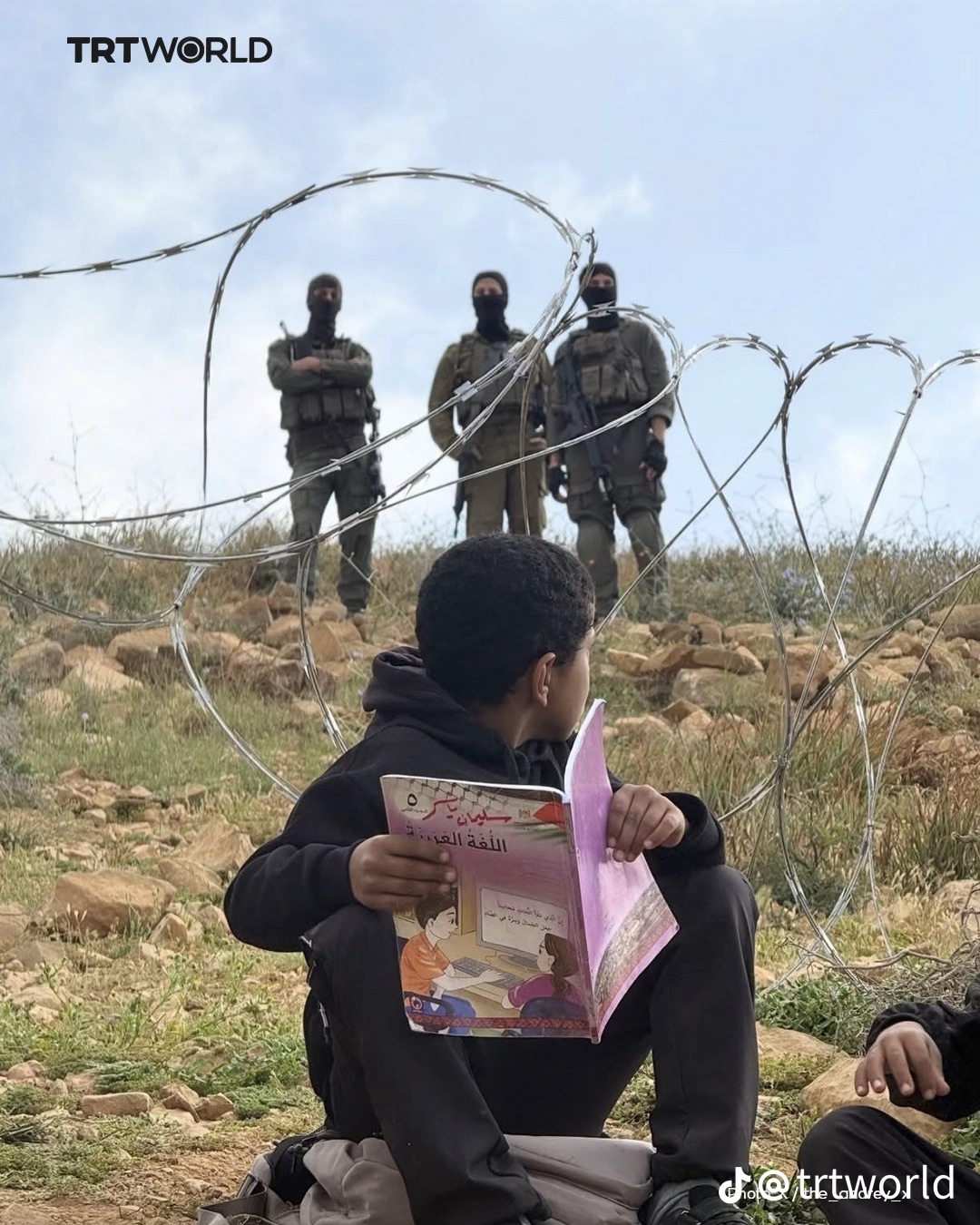
Tel Rumeida is not an abstraction. It is a specific neighborhood where Israeli settlers — several hundred of them — live under the direct protection of the Israeli military, surrounded by Palestinian residents who have been there for generations. It has been described by human rights observers as one of the most extreme examples of what occupation looks like at street level: Palestinian residents require military permits to access their own front doors in some cases, movement is heavily restricted, and soldiers are a constant presence.
Over 700,000 Israeli settlers now live in the occupied West Bank and East Jerusalem, according to a 2024 EU report, among more than 3 million Palestinians. Tel Rumeida is what happens when that math plays out at the neighborhood scale: two populations, one of which has military protection and freedom of movement, and one of which gets shot at checkpoints for stopping their car.
This Has Happened Before. With the Same Justification.
On March 15, 2026 — less than three months ago — Israeli forces opened fire on a car in the northern West Bank town of Tammun. The family inside was on the way home from buying Eid al-Fitr clothes. The military said the vehicle had accelerated toward troops. The surviving children, ages 8 and 12, said the family had stopped when they saw lasers pointed at them from all directions.
The justification in Tammun: the car accelerated toward troops. The justification at Checkpoint 17 on June 5: the car accelerated toward troops. In Tammun, the two surviving children said the car had stopped. In Hebron, the grandmother said the family had already stopped when the shots were fired.
The script does not change. The families do.
What “Deep Sorrow” Means in Practice
The IDF statement on Sam’s killing is worth reading carefully. It confirms that soldiers fired. It confirms the initial inquiry found the people hit were uninvolved civilians. And it says the incident is “under review” and that findings will be submitted to “relevant authorities.”
Since the start of the Gaza war in October 2023, more than 1,000 Palestinians have been killed in the West Bank by Israeli forces or settlers, according to the Palestinian Authority health ministry. The rate of killing in the West Bank — separate from Gaza entirely — has reached levels not seen since the Second Intifada. In nearly every case involving civilian deaths, the military formula is identical: perception of threat, investigation launched, deep sorrow expressed, findings submitted. Accountability: optional. Consequences: rare.
The investigation into the Tammun killings is ongoing. The investigation into Sam Abu Haikal’s killing has just begun. Neither of those sentences should give you much comfort.

What Is Not in Dispute
Even taking the IDF’s own account at face value: a seven-month-old baby is dead. His mother is in the hospital with a bullet lodged in her cheek — the same bullet that killed her son. His father was also hit. The army’s own initial inquiry says they were uninvolved civilians.
There is no version of this story — not the Israeli military’s, not Reuters’, not anyone’s — in which what happened to Sam Abu Haikal was acceptable. There is only the question of whether it will be treated as a tragedy, a crime, or just another line item in an occupation’s operational log.
The IDF fires into vehicles at checkpoints. Children die. The army expresses deep sorrow. An investigation is launched. A press cycle runs for 48 to 72 hours. Then it ends. Then it happens again.
Say His Name
Coverage of Palestinian deaths in the West Bank has a pattern: the infant becomes a statistic, the family becomes a source, the checkpoint becomes a location tag, and within a week the story is gone. The investigation becomes a process. The process produces no consequences. The next family gets in their car.
Sam Fahd Abu Haikal was seven months old. He had been alive for less time than the Tammun investigation has been ongoing. He was killed on the same day his country’s occupier was being discussed in diplomatic circles, trade briefings, and foreign aid packages. Nobody who matters will be held accountable for his death. The army will review its procedures. The checkpoint will remain.
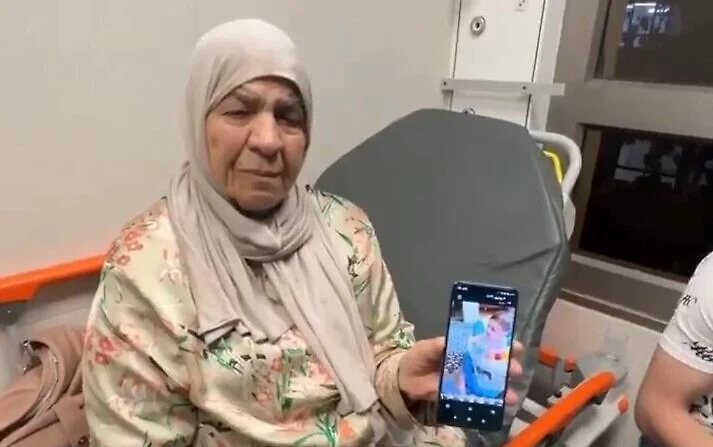
His grandmother held up a phone showing a photo of him to cameras outside the hospital. That image — a grandmother holding a screen showing her grandson who was just shot to death in a family car — is the actual state of the occupation in the West Bank in June 2026. Not the diplomatic language. Not the deep sorrow. The phone. The photo. The grandmother.
Say his name.
Sources
- Reuters / Al-Monitor, June 5, 2026 — Palestinian baby killed by Israeli gunfire in occupied West Bank, health ministry says
- Times of Israel, June 5, 2026 — IDF troops fire at vehicle in Hebron, killing 7-month-old baby and wounding his parents
- WAFA (Palestinian News Agency), March 15, 2026 — Family of four, including two kids, shot dead by Israeli forces in Tammun, northern West Bank
- Al Jazeera, March 15, 2026 — ‘We killed dogs’: Israeli troops kill two children, parents in West Bank
- Washington Post / AP, March 15, 2026 — Israeli soldiers fire on family car in occupied West Bank, killing 4
- NPR, March 15, 2026 — Israeli soldiers fire on family car in occupied West Bank, killing 4
- Times of Israel, March 16, 2026 — Palestinians seek answers, justice after West Bank family gunned down by Israeli cops
- Common Dreams, March 16, 2026 — Israeli Forces Kill Parents and 2 Children in West Bank, Beat Surviving Children